

Anti-static Mats
Antistatic
You really need good quality antistatic floor mats all year, but winter months can be the worst time of the year for static shocks and static buildup because the air is colder and dryer.
Simple worker tasks such as working, walking or even sitting on certain types of stools creates static electricity. If left unchecked, static will pass from the worker to electronics and computers potentially causing employee discomfort and equipment damage. It is important to use the proper mats to drain static from the worker as a safety precaution.
Anti-static mats are made and formulated to absorb static electricity and stop static shocks.
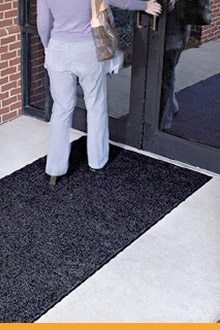
Liniform has a selection Anti-Static mats you can choose from.
Anti-Static, Nitrile rubber surface is resistant to oils and chemicals. Rubber will not crack or curl.
Certified “high traction” by the National Floor Safety Institute.

Anti-static Mats FAQs
Will A Rubber Mat Stop Electricity?
No, standard rubber mats will not stop electricity. They act as insulators and can actually make static buildup worse by trapping charges. Conductive rubber mats with carbon additives are the exception because they let electricity flow safely to ground. Many people assume all rubber blocks electricity, but in practice, regular rubber often creates more static issues than it prevents.
What Is An Antistatic Mat Used For?
Antistatic mats protect sensitive electronics from static discharge during handling, assembly, or repair. The mat connects to a grounding point and gives static a safe path to leave. Without this protection, even a tiny spark can cause permanent damage to expensive components.
What Is The Difference Between An ESD Mat And An Anti-Static Mat?
An ESD mat is built to meet strict standards for resistance and electrical properties, usually within specific ohm ranges. An anti-static mat is a broader category that covers both certified ESD mats and less regulated products. ESD mats go through testing and certification, while generic anti-static mats may not perform as consistently. For professional electronics work, certified ESD mats are the required choice.
What Are Antistatic Mats Made Of?
Most antistatic mats are made from rubber or vinyl mixed with conductive additives such as carbon black or metallic fibers. Higher-quality designs often have two layers, with a static-dissipative surface on top and a more conductive bottom layer for grounding. Some manufacturers also weave carbon fiber or metal threads through the material to improve reliability.
What Materials Are Antistatic?
Antistatic materials include carbon-filled polymers, conductive rubber, metallized fabrics, and treated synthetic fibers. Metals provide excellent conductivity for grounding, while cotton has some natural resistance to static. Modern products may use graphene, carbon nanotubes, or metallic blends inside polymers. Conductive foams, specialized plastics, and ionically conductive materials are also used across many industries.